 The Latest: Russia warns it will bring about the ‘end of the world’ if Trump…See more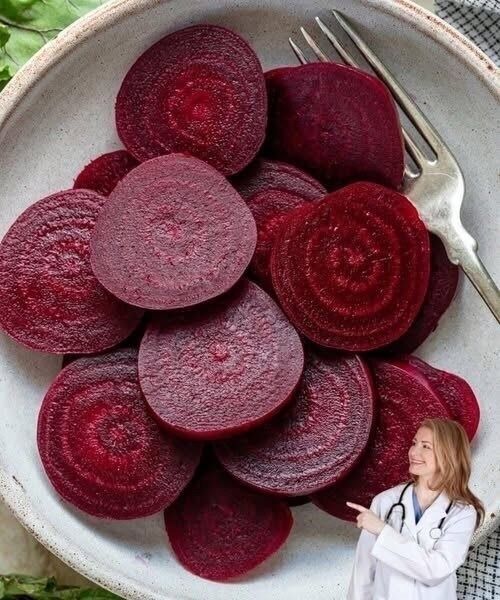
You’ve probably heard the phrase: “Beets are a superfood!”
It’s a bold claim, and let’s be honest—“superfood” gets thrown around so casually these days that the word has lost some of its meaning. But in the case of beets, there’s actually something special going on. These earthy, vibrant root vegetables truly earn their reputation. They’re packed with antioxidants, plant compounds, dietary nitrates, fiber, folate, and essential minerals that play meaningful roles in supporting the heart, brain, muscles, and overall metabolic health. Unlike trendy supplements or exotic powders, beets are simple, accessible, and backed by strong, consistent research.
But with so much hype circulating around nutrition, detoxes, anti-aging diets, and miracle foods, it’s easy to get lost in exaggerated claims. You might scroll through social media and see influencers promising that a daily glass of beet juice will “cure everything” or “activate unreal energy levels.” That’s when people start wondering what’s real and what’s just clever marketing.
So let’s cut through the noise.
What actually happens inside your body when you eat beets? And where does the science truly stand?
Below is what doctors, nutritionists, and researchers genuinely agree on when it comes to adding beets to your diet—no hype, no pseudoscience, just clear, evidence-based information.
🔬 7 Evidence-Backed Benefits of Eating Beets
1. Lowers Blood Pressure (Sometimes Within Hours!)
How it works:
Beets are exceptionally high in dietary nitrates. When you eat them, your body converts these nitrates into nitric oxide—a natural compound that relaxes and widens blood vessels. This process is called vasodilation, and it helps blood move more easily through your arteries.
Science says:
One of the most frequently cited studies, published in 2013, found that drinking 250 ml (about 8 oz) of beet juice lowered systolic blood pressure by 4–10 mmHg within 3 to 6 hours. That’s a significant change—roughly comparable to the effect of some lifestyle interventions like reducing sodium or adding daily aerobic exercise.
Not everyone experiences such dramatic results, but overall, beet consumption consistently improves vascular function.
Best for:
– People with hypertension or prehypertension
– Those looking for natural ways to support cardiovascular health
– Athletes who want better blood flow during training
Important note: Beets aren’t a replacement for prescribed medication, but they can be a powerful complement to a heart-healthy lifestyle.
2. Boosts Athletic Endurance and Energy
How it works:
Nitric oxide doesn’t just help the heart—it affects the muscles, too. It improves how efficiently the body uses oxygen, particularly during high-intensity and endurance activities.
When muscles need less oxygen to perform the same amount of work, you feel less fatigued and more capable of pushing harder.
Science says:
In controlled trials, cyclists who consumed beet juice before a time trial performed 2.8% faster and reported lower perceived exertion. Similar benefits have been seen in runners, swimmers, rowers, and recreational athletes. Even older adults showed improved walking performance and endurance following regular beet consumption.
This effect is why many elite athletes use beet juice shots before competitions.
Tip for best results:
Eat beets—or drink beet juice—2 to 3 hours before exercise. That’s the window your body needs to convert nitrates into nitric oxide.
3. Supports Brain Health and Cognitive Function
How it works:
Just as nitric oxide increases blood flow to the heart and muscles, it also enhances blood circulation to the brain. In particular, it boosts perfusion to the frontal lobe, the region responsible for attention, decision-making, and working memory.
As we age, blood flow to these areas gradually decreases, contributing to cognitive decline.
Science says:
A study involving older adults found that after drinking beet juice, participants displayed brain activity patterns similar to significantly younger adults while performing cognitive tasks. This suggests improved efficiency and responsiveness in neural pathways.
While beets won’t prevent all forms of age-related cognitive decline, they may support sharper thinking, better concentration, and improved reaction time—especially in people over 50.
Great for:
– Aging adults concerned about memory
– Students during exam seasons
– Anyone looking for a mental performance boost without caffeine
4. Fights Inflammation & Oxidative Stress
How it works:
Beets are rich in plant compounds called betalains, which give them their signature deep red color. These antioxidants combat oxidative stress—meaning they help protect cells from damage caused by unstable molecules called free radicals.
Chronic inflammation has been linked to conditions like arthritis, cardiovascular disease, cancer, and metabolic disorders. Foods rich in antioxidants help calm this systemic inflammation.
Science says:
Research shows that betalains may reduce inflammatory markers in the body and help protect cells from stress-induced damage. Their anti-inflammatory effect is considered comparable to some pharmaceutical options, but without the side effects.
Consumption tip:
Cooking can reduce betalain levels, especially boiling.
Raw, roasted, steamed, or juiced beets retain the most antioxidant power.
5. Supports Digestive Health & Regularity
Though not always mentioned in flashy wellness posts, beets are a fantastic source of dietary fiber, especially when eaten whole rather than juiced.
What fiber does:
– Promotes healthy bowel movements
– Feeds beneficial gut bacteria
– Helps stabilize blood sugar
– Supports weight management by increasing fullness
A single cup of beets contains about 3.5 grams of fiber, much of which is soluble and supportive of gut-friendly microbes.
Doctors often point out that improving digestion isn’t about exotic probiotics—it starts with foods like beets.
6. Provides Key Nutrients for Blood & Cellular Health
Beets are rich in essential vitamins and minerals that support many bodily functions:
– Folate (Vitamin B9): Crucial for DNA formation, cell growth, and preventing anemia.
– Potassium: Helps regulate nerve signaling and muscle contractions.
– Vitamin C: Supports immunity and collagen production.
– Iron: Important for hemoglobin and oxygen transport.
– Manganese & Copper: Needed for metabolism and antioxidant defenses.
For people who don’t eat enough leafy greens or varied vegetables, adding beets is an easy way to fill nutritional gaps.
7. May Support Detoxification—but Not in the Trendy “Detox” Sense
This is where misinformation often spreads. Social media might claim that beets “flush toxins” or “cleanse the liver.” That’s not how detoxification works—your liver and kidneys do that automatically.
But beets do contain compounds that support natural detox pathways.
Their betalains activate enzymatic processes in the liver that help neutralize and eliminate metabolic waste more efficiently.
So no, beets won’t magically erase toxins—but they do support the organs responsible for detoxification.
Final Thoughts: Should You Add Beets to Your Diet?
Absolutely—if you enjoy them. Beets offer a rare combination of nutrition, antioxidant power, vascular support, and performance benefits. They’re backed by strong scientific research and can be consumed in many forms: roasted, raw, juiced, pickled, blended into smoothies, or added to salads.
Just remember:
– They complement a healthy lifestyle, they don’t replace one.
– They’re most powerful when eaten consistently.
– They’re safe for most people, though those prone to kidney stones or with low blood pressure should be mindful of intake.
If you’re looking for a natural, accessible, and nutrient-dense food that truly makes a difference, beets are an easy and delicious upgrade to your daily routine.