
 The Latest: Russia warns it will bring about the ‘end of the world’ if Trump…See more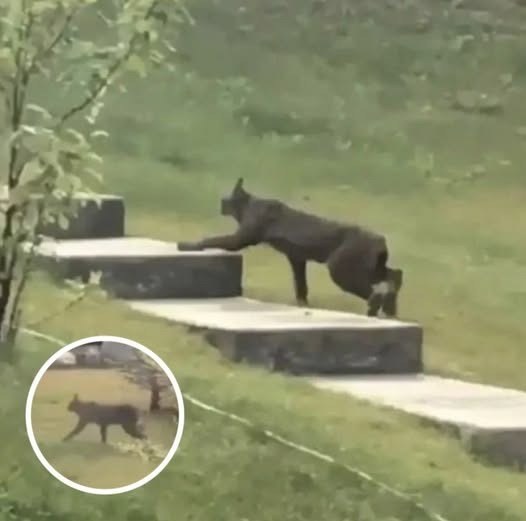
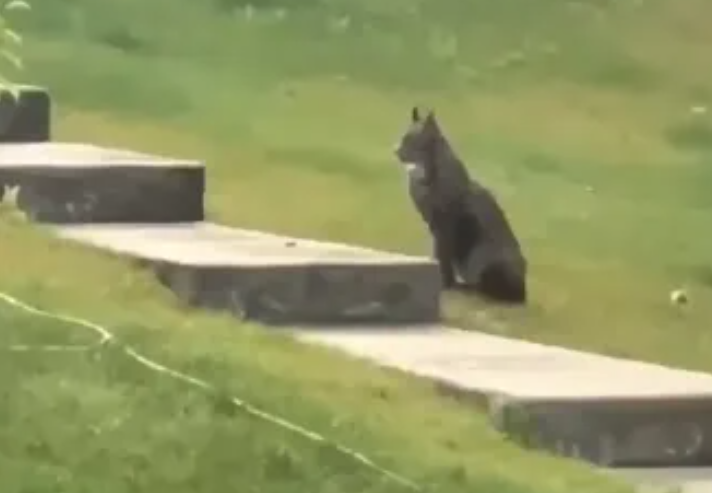
Canadian researchers documented an extraordinary wildlife discovery after capturing footage of a melanistic Canada lynx on a mobile phone for the first time. The rare animal, distinguished by its unusually dark coat, had never before been officially recorded, making the sighting a significant moment for wildlife research.
Canada lynx typically have light gray or reddish-brown fur that helps them blend into snowy forest environments. The appearance of a melanistic individual, marked by much darker coloration, surprised scientists and raised new questions about genetic variation within the species. While visually striking, researchers noted that darker fur could present challenges in regions dominated by snow, where camouflage plays an important role in hunting and survival.
The discovery also renewed scientific discussion about possible connections between coat color variations and environmental change. Previous studies have suggested that shifting climates may influence the frequency of darker pigmentation in some animal populations, though researchers emphasize that more data is needed before drawing firm conclusions. Beyond its scientific value, the footage has captured public attention as a reminder of nature’s diversity and unpredictability.