 The Latest: Downed jets puncture Trump’s and Hegseth’s claims of air invulnerability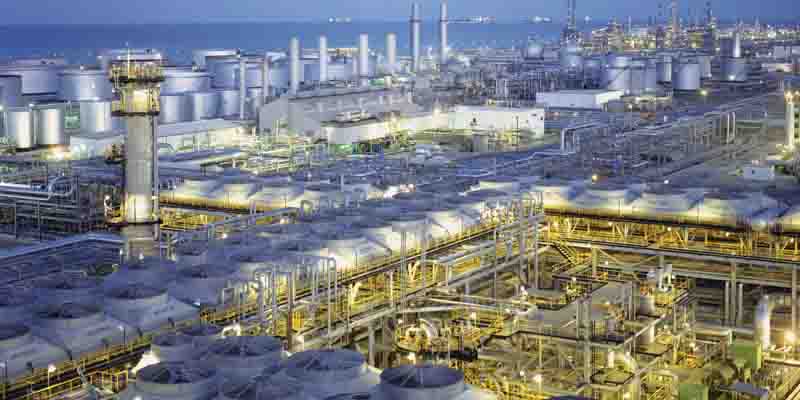
The oil industry in the United Arab Emirates is one of the most important pillars of its economy and a major contributor to global energy markets. Over the past several decades, the UAE has transformed from a modest desert region into a modern, economically powerful nation, largely due to its vast oil resources and strategic management of energy wealth.
Overview of Oil Resources in the UAE
The UAE holds some of the largest proven oil reserves in the world, placing it among the top oil-producing countries globally. Most of these reserves are located in the emirate of Abu Dhabi, which accounts for the majority of the country’s oil production.
Oil production in the UAE began in the 1960s and quickly became the driving force behind the nation’s economic development. Today, the UAE continues to invest in expanding its oil production capacity while maintaining its position as a reliable energy supplier.
Historical Development of the Oil Sector
Before the discovery of oil, the UAE’s economy relied on fishing, pearling, and trade. The discovery of oil marked a turning point in the country’s history.
Exports began in the early 1960s, bringing significant revenue that allowed the government to invest in infrastructure, healthcare, education, and urban development. Cities like Abu Dhabi and Dubai rapidly developed into global hubs for business and tourism.
Over time, the UAE has carefully managed its oil wealth, using it to diversify its economy and reduce dependence on a single resource.
Structure of the Oil Industry
The UAE’s oil industry is primarily managed by the Abu Dhabi National Oil Company (ADNOC), one of the world’s leading energy companies. ADNOC oversees exploration, production, refining, and export operations.
Oil fields in the UAE are located both onshore and offshore, with advanced technologies used to maximize production efficiency. The country also has modern refineries and export terminals that support large-scale oil shipments to international markets.
Economic Importance
Oil has played a central role in the UAE’s economic success. Revenue from oil exports has funded major development projects and contributed to a high standard of living.
However, unlike many oil-dependent nations, the UAE has successfully diversified its economy. Sectors such as tourism, aviation, finance, and real estate now contribute significantly to national income.
Despite diversification, oil remains a key source of government revenue and continues to influence economic policies.
Role in Global Energy Markets
The UAE is a major player in global energy markets and a key member of the Organization of the Petroleum Exporting Countries. Through its participation in OPEC, the UAE helps regulate oil production levels to stabilize global prices.
The country is known for its reliability as an energy supplier. Its strategic location near major shipping routes, including the Strait of Hormuz, enhances its importance in international trade.
Changes in UAE oil production can have a noticeable impact on global oil prices and supply chains.
Technological Advancements
The UAE has invested heavily in modern technology to improve efficiency and sustainability in the oil sector. Advanced drilling techniques, artificial intelligence, and digital monitoring systems are used to optimize production.
The country is also exploring carbon capture and storage technologies to reduce environmental impact. These innovations demonstrate the UAE’s commitment to balancing energy production with environmental responsibility.
Environmental Considerations
As global awareness of climate change grows, the UAE is taking steps to reduce its carbon footprint. While oil remains a major industry, the government is investing in renewable energy sources such as solar power.
Projects like Masdar City highlight the UAE’s efforts to promote sustainability and innovation. The country aims to become a leader in clean energy while maintaining its role in the oil industry.
Challenges Facing the Industry
Despite its success, the UAE oil industry faces several challenges:
- Fluctuating global oil prices
- Increasing competition from other producers
- Pressure to reduce carbon emissions
- Transition toward renewable energy
Addressing these challenges requires careful planning and continued investment in technology and diversification.
Future Outlook
The future of the UAE oil industry looks promising but will evolve alongside global energy trends. The country plans to increase production capacity while also expanding its renewable energy portfolio.
By balancing traditional energy resources with innovation and sustainability, the UAE aims to remain a key player in the global energy market.
Conclusion
The oil industry has been the foundation of the UAE’s remarkable transformation into a modern and prosperous nation. With vast resources, advanced technology, and strategic planning, the UAE continues to play a vital role in global energy markets.
As the world shifts toward cleaner energy, the UAE’s ability to adapt and innovate will determine its long-term success. Nevertheless, its influence in the oil sector is expected to remain strong for decades to come.