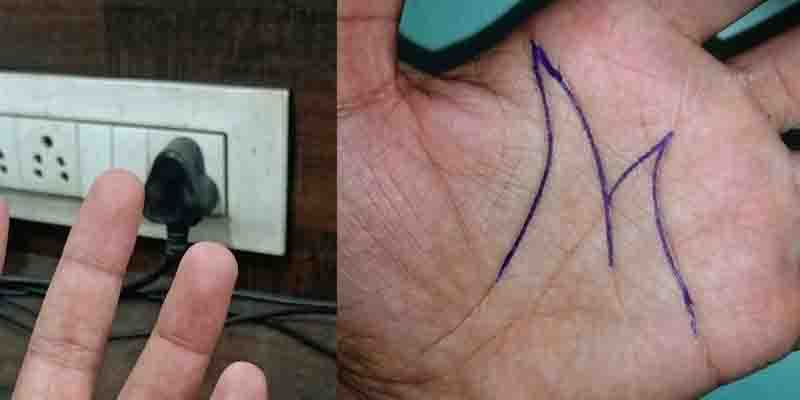
Loyalty and trust are also central themes associated with the “M” in palmistry. According to traditional interpretations, individuals with this marking are believed to value honesty and sincerity above superficial attraction or temporary excitement. In relationships, they are often described as selective, preferring to invest deeply in fewer connections rather than engaging in multiple shallow ones. This selectiveness is not necessarily about judgment of others, but rather about emotional protection and the desire for authenticity. Once trust is established, it tends to become a foundational element of their attachment. However, this also means that trust, once broken, is difficult to restore. Emotional betrayal can leave a lasting impact, making it harder for them to fully open up in the future. As a result, relationships involving such individuals are often portrayed as intense but carefully built, requiring mutual consistency, communication, and respect. Whether or not one believes in palmistry, these descriptions often mirror real psychological patterns seen in people who prioritize emotional depth and stability in their relationships.
Another frequently mentioned aspect of the “M” symbolism is the idea of deep, transformative love experiences. According to palmistry interpretations, individuals with this marking are thought to encounter relationships that significantly shape their emotional development. Rather than casual or surface-level connections, they are believed to gravitate toward bonds that feel meaningful and long-lasting. This does not necessarily mean they only experience one love in their lifetime, but rather that certain relationships may leave a profound imprint on their emotional journey. When they do form attachments, they tend to invest fully, both emotionally and mentally, often prioritizing the relationship in a way that influences their decisions and life direction. This level of emotional investment can lead to strong, supportive partnerships, but it can also make breakups or emotional disruptions particularly difficult to process. The intensity of their feelings is often seen as both their greatest strength and their greatest vulnerability, depending on the stability of the relationship itself.
Despite the emotional depth often associated with this marking, independence is also emphasized as a key trait in palmistry interpretations. Individuals with an “M” on their palm are frequently described as emotionally strong and self-aware, capable of maintaining their identity even within close relationships. This independence allows them to form balanced partnerships where emotional connection does not lead to dependency. They are often portrayed as people who can stand alone if necessary, choosing solitude over unhealthy or unfulfilling relationships. This sense of self-reliance can make them more resilient in difficult emotional situations, but it can also create internal conflict when they deeply care about someone yet feel the need to protect their own emotional boundaries. In relationships, this balance between closeness and independence is often what defines their emotional experience, allowing them to connect deeply while still maintaining personal integrity.
It is important to recognize, however, that palmistry itself is not supported by scientific evidence. The lines on the hand are formed through a combination of genetics, skin development, and physical movement over time, rather than predetermined emotional or spiritual meaning. From a scientific perspective, there is no verified link between palm markings and personality traits or relationship outcomes. Nevertheless, systems like palmistry continue to hold cultural and symbolic significance because they offer a way for people to reflect on themselves. Even if the interpretations are not literally true, they can still function as metaphors for self-awareness. When someone reads about traits associated with the “M,” they may recognize certain aspects of their own personality—not because the line determines it, but because humans naturally relate symbolic descriptions to their lived experiences. In this way, palmistry often serves more as a psychological mirror than a predictive system.Ultimately, the fascination with the “M” marking on the palm reflects a broader human desire to find meaning in patterns, especially when it comes to love and emotional identity. Whether interpreted as intuition, loyalty, emotional depth, or independence, the traits associated with it often represent qualities that many people value in themselves and others. Even without scientific backing, the symbolism can still encourage reflection on how individuals approach relationships, trust, and emotional connection. It invites people to think about their strengths, vulnerabilities, and the way they relate to others on a deeper level. In that sense, the “M” becomes less about fate and more about interpretation—less a prediction of what someone will experience, and more a symbolic reminder of the kind of emotional presence they bring into their relationships.

 The Latest: Russia warns it will bring about the ‘end of the world’ if Trump…See more